
culture · July 8, 2026 · The Fam
The Rules Your Auntie Never Wrote Down
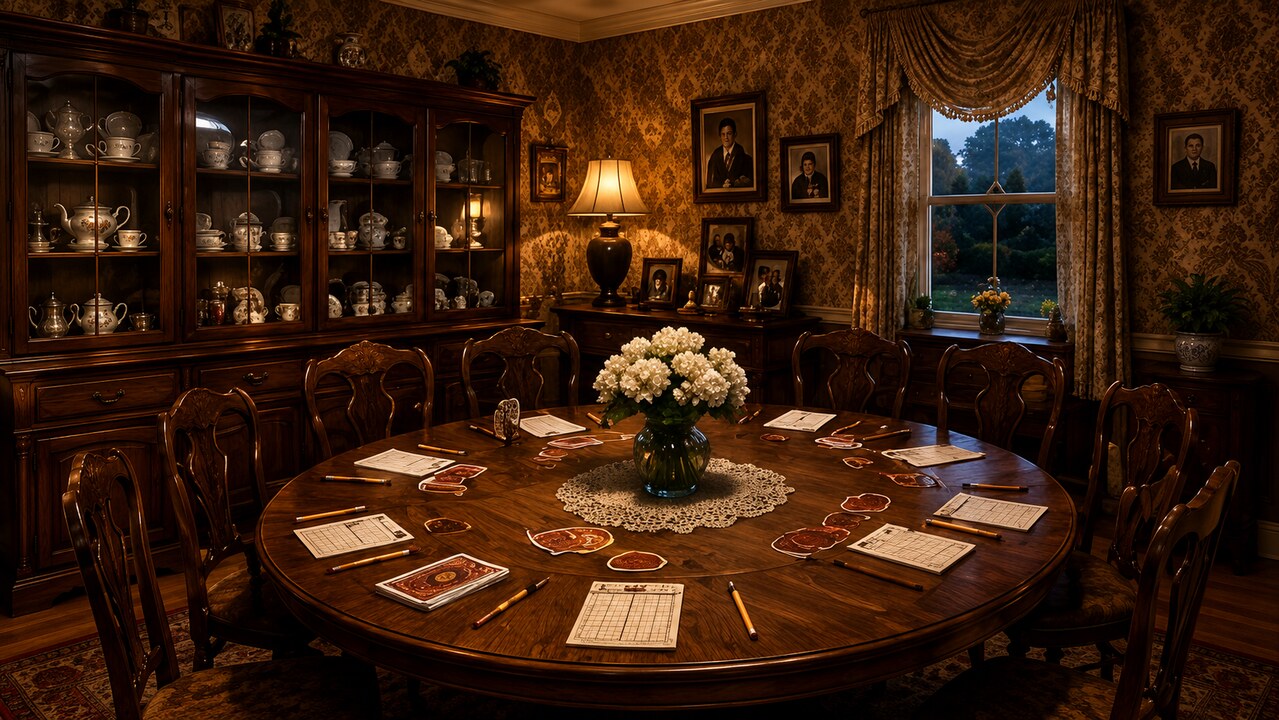
Ask five families how they play Bid Whist and you’ll get seven answers. That’s not a flaw — it’s the point. This game has been passed down at kitchen tables for a century, and every house sharpened its own edges onto it.
The parts everybody agrees on
Four players, two teams, thirteen cards each. You bid books, you name a direction — Uptown for high cards, Downtown for low — and you’d better make your number or take the set. Follow suit if you can. Trump takes the book.
Where the houses split
- The kitty. Some tables deal a kitty for the bid winner. Ours doesn’t — all 52 cards go out, and the bidder just names the game. Cleaner, faster, more skill.
- Minimum bids. Some houses won’t hear a bid under four. Our table lets the engine offer 1–7, but bid low and the table will have opinions.
- How a made bid scores. Some houses award exactly the bid number; ours scores every book over six — bid 2, take 9, earn 3. The overachievement counts, so running up the score is worth the trouble.
- Whether the defenders score. At some tables only the bidding team can earn. At ours, the defending team also scores its books over six — hold the bidders down and take 8 books yourself, and you’re on the board. Defense is offense.
- The two-set rule. Our table plays it: two failed bids in one game and your team loses automatically, whatever the score. Some houses play on. Ask before you sit down — it changes how bold that third-hand bid should be.
- Jokers. Big Joker and Little Joker rule some tables. That’s a house variant we’re saving for a future update — done right or not at all.
Why we chose our rules
We built the engine to the most widely-played no-kitty standard, because it travels best across regions. When we add house variants, they’ll be options you turn on — because your family’s rules are the right rules, at your table.
Got a house rule we should know about? Write us: info@bidwhistforever.com — best ones get featured.